What To Plant
After Ranunculus
When the last silken petals fall and their fern-like leaves begin to fade, the garden quietly makes room for what comes next.



The Best Crops To Plant After Ranunculus
(The Quick Answer)
After ranunculus, choose light-to-moderate feeders that won’t demand too much from the soil at once - legumes, leafy greens, herbs, or shallow-rooted summer vegetables are all excellent options.
Because ranunculus are cool-season bloomers grown from corms, they finish just as the soil begins to warm, leaving behind open space ready for summer’s next act. Follow them with dahlias for a seamless transition of generous blooms, zinnias or cosmos for heat-loving color, or basil and cucumbers if you’d like beauty that also finds its way to the kitchen.
If your ranunculus bed needs rest before summer planting, sow a quick cover crop like buckwheat or clover to protect and refresh the soil.
Avoid: Replanting ranunculus or other heavy spring bloomers in the same spot immediately, especially if you experienced fungal issues. While ranunculus aren’t as disease-prone as some garden plants and vegetables, rotating flower beds still helps reduce soil fatigue and keeps blooms strong year after year.
Why These Work
Ranunculus are not as greedy as many other flowers and vegetables, but they do spend the cool months drawing steadily from the soil to produce their abundant spring blooms.
By the time the petals have fallen and the foliage begins to yellow, the bed is ready for something that either restores balance or makes efficient use of the warming season.
Ornamental flowers take over where ranunculus left off, bringing showy color back to the same place. Leafy greens and herbs bring beauty and take what they need without overwhelming the bed. Warm-season crops like cucumbers and squash can step in just as temperatures rise, making smart use of the open space ranunculus leave behind.
Think of it less as a strict rulebook and more as a gentle rotation - a way of keeping your soil lively, diverse, and ready for whatever beauty you plant next.
Not sure which crop is right for following after your ranunculus?
Let’s look more closely at the best options, why they work, and how to know when each one is the right choice.
Flowers teach us the rhythm of seasons: arrive, dazzle, fade, and make room.
Best Options After Ranunculus
(The Detailed Answers)
Dahlias
Why it works: Dahlias step in just as ranunculus bow out, loving the warming soil and carrying the bed into late summer with equally generous blooms.
Best when: All risk of frost has passed and soil temperatures are steadily warm.
Consider: Add compost before planting. Both crops do exceptionally well in soil that feels rich and well-drained.
Zinnias
Why it works: Where ranunculus bloom in layered spring elegance, zinnias arrive with bold, sun-loving confidence, thriving in the heat that ranunculus cannot tolerate.
Best when: Soil has warmed and the days stretch long.
Consider: Direct-sow for strong stems and steady color through summer.
Cosmos
Why it works: Light, airy, and forgiving, cosmos transition a bed from spring romance to summer meadow without demanding heavy feeding.
Best when: You want height and movement with minimal soil strain.
Consider: They thrive even in lean soil - resist the urge to over-fertilize.
Snapdragons (Second Planting)
Why it works: In cooler climates, a late planting of snapdragons can follow ranunculus with upright structure and a slightly different bloom rhythm.
Best when: You still have moderate temperatures and steady moisture.
Consider: Deadhead consistently to extend flowering.
Basil (Especially Purple Varieties)
Why it works: Basil bridges ornamental and edible beautifully, filling space with fragrance and lush foliage while complementing cut flower beds.
Best when: Nights remain above 50°F.
Consider: Pinch early to keep plants bushy and prevent legginess.
If You’d Rather Transition to Edibles
Bush Beans: Quick, generous nitrogen fixers that refresh soil while giving a modest harvest.
Cucumbers (on Trellis): Vertical growers that preserve bed structure and add summer abundance without crowding.
Malabar Spinach: A heat-loving vine that offers edible greens while maintaining the lush look of a flower bed.
What to Avoid After Ranunculus (and Why)
This is normally where I would put a few notes about what to avoid after growing and why.
However, Ranunculus plants don't really have diseases or pests that can transfer to other plants, so there's not a lot of restrictions here.
I will say that rotating away from another nutrient-hungry bloom is wise unless you’ve amended the bed well.
Bed Reset & Prep
✅ Remove spent ranunculus foliage once it has fully yellowed and withered.
✅ Lift corms if you store them, brushing away excess soil and allowing them to dry before curing.
✅ Clear any remaining roots and loosen the top 4–6 inches of soil to improve airflow.
✅ Add a light layer of compost to replenish nutrients used during bloom.
✅ Check drainage - ranunculus prefer well-drained beds, and so do most of what follows.
✅ Smooth and level the surface, preparing the bed for its next season.
✅ If you’re unsure what comes next, sow a short-term cover crop and let the soil rest in green.
Growing flowers is more than chasing color.
It’s about the tending of cycles - bloom and fade, lift and replant... a quiet conversation between soil and season that deepens each year.
All About Timing Cheatsheet
If it's:
Late Spring: Direct-sow beans, cucumbers, or summer squash; transplant basil or warm-season herbs.
Early Summer: Sow quick greens for a short harvest, or plant zinnias and cosmos to carry the bed through heat.
Cool climates: Follow with peas, lettuce, or another light crop before true summer sets in.
Warm climates: Transition straight into heat lovers: melons, okra, amaranth, or sweet potatoes.
Short seasons: Choose fast-maturing crops like bush beans, radishes, baby greens, or summer turnips - anything that can finish in 30–60 days before frost returns.
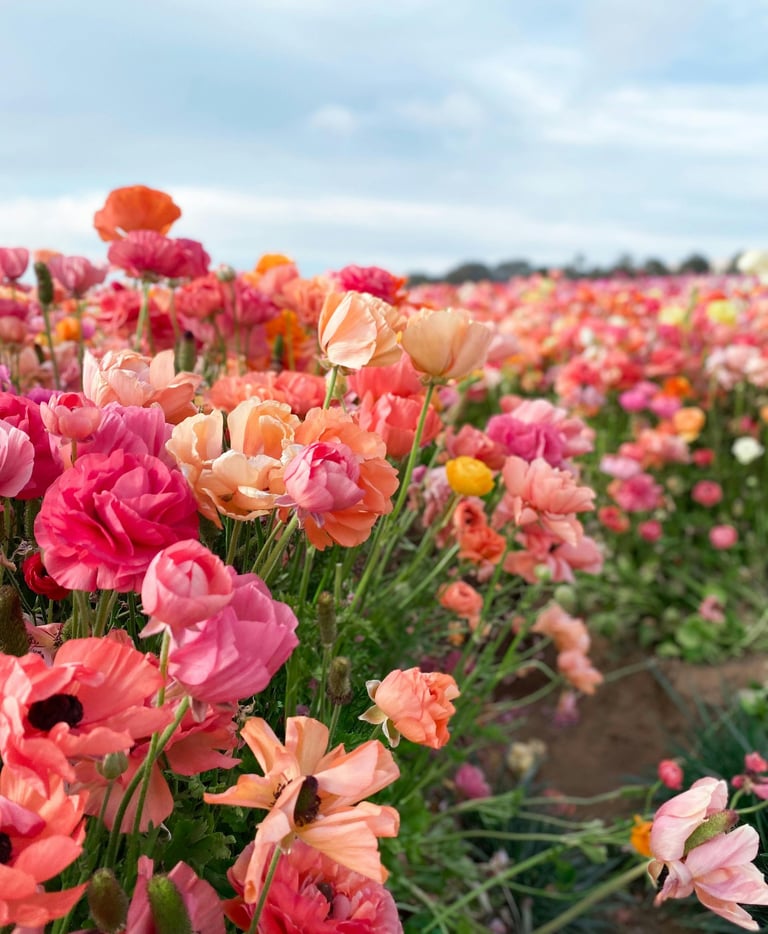
I must have flowers, always, and always.
- Claude Monet
What are Some Resources For Learning More About Seed Saving?
Books Worth Keeping on Your Shelf
Seed to Seed by Suzanne Ashworth: A foundational classic, incredibly thorough with species-specific seed-saving techniques. Best for when you’re ready to dive deeper.
The Seed Garden: The Art and Practice of Seed Saving by Seed Savers Exchange: Beautifully laid out and beginner-accessible. Offers clear charts and growing tips for over 75 crops.
Vegetable Gardener’s Bible by Edward C. Smith: Not just about seeds, this one helps you build a thriving garden from soil to harvest, so your seed saving has something to grow in.
Gaia’s Garden by Toby Hemenway: For the permaculture-inclined. Helps you see your garden as a living ecosystem — one that’s perfect for long-term seed stewardship.
Seed Sources & Swaps
Seed Savers Exchange: A nonprofit preserving heirloom seeds with a rich catalog and gardener-to-gardener swap network.
Baker Creek Heirloom Seeds: Stunning catalogs and rare varieties. Great for gardeners who love color, flavor, and plant diversity.
Local Seed Libraries: Check your county extension office or library -many have seasonal swaps or borrowing programs.
Online Seed Swaps & Facebook Groups: Search “[Your State] Gardeners” or “Heirloom Seed Swap” on Facebook for regional communities.
Bethany’s Tip: Don’t feel like you need everything right away. One book, one envelope, and one seed head is enough to begin.
Go Forth & Grow...
There is something tender about growing ranunculus.
They arrive in the cool hush of early season, unfold in layers you almost can’t believe, and then just as quietly step aside.
They remind us that beauty doesn’t have to last all summer to matter.
When the blooms fade and the corms are lifted, nothing is lost. The soil holds the memory of it. The season moves forward. The next planting waits its turn.
This guide is simply an invitation to continue the rhythm... to tend the bed with care, to choose wisely what follows, and to trust that each season prepares the next.
Let the petals fall, refresh the soil, then plant what comes after.
Grow on, my friend ❤️🌱
This guide was created with dirt under my fingernails, late nights, and a lot of care. No ads, no paywalls, just a simple offering for fellow growers.
If it helped you, inspired you, or made crop rotation feel just a LITTLE less mysterious (or even just if you enjoyed your ads-free time) there are two simple ways to say thanks:
Share the Love... Sow it Forward!
Share it with someone who might be interested in it.
Pin it, email it, or send it to that friend who always talks about tomatoes.
Buy Me a Coffee
(or some compost)
Every tip - big or small - helps keep this space alive and growing.
Many people give $5, but it's entirely up to you and either way, is very appreciated.
-- Buy Bethany a Coffee --
Created by Bethany Archer, lifelong gardener and founder of Grow & Gather Life.